Annaba Port: Algeria Builds Phosphate Export Terminal
Key facts
- Algeria is accelerating construction of a dedicated phosphate export terminal at Annaba to replace non-specialized facilities
- The Bled El Hadba deposit in Tébessa Province holds estimated reserves exceeding two billion tonnes of raw phosphate
- The Integrated Phosphate Megaproject is led by state-owned Manal Group and Chinese partners Wuhuan and Tian’an
- The project includes mining, a processing complex at Oued Kebrit, and ammonia facilities at Hadjar Soud and Jijel
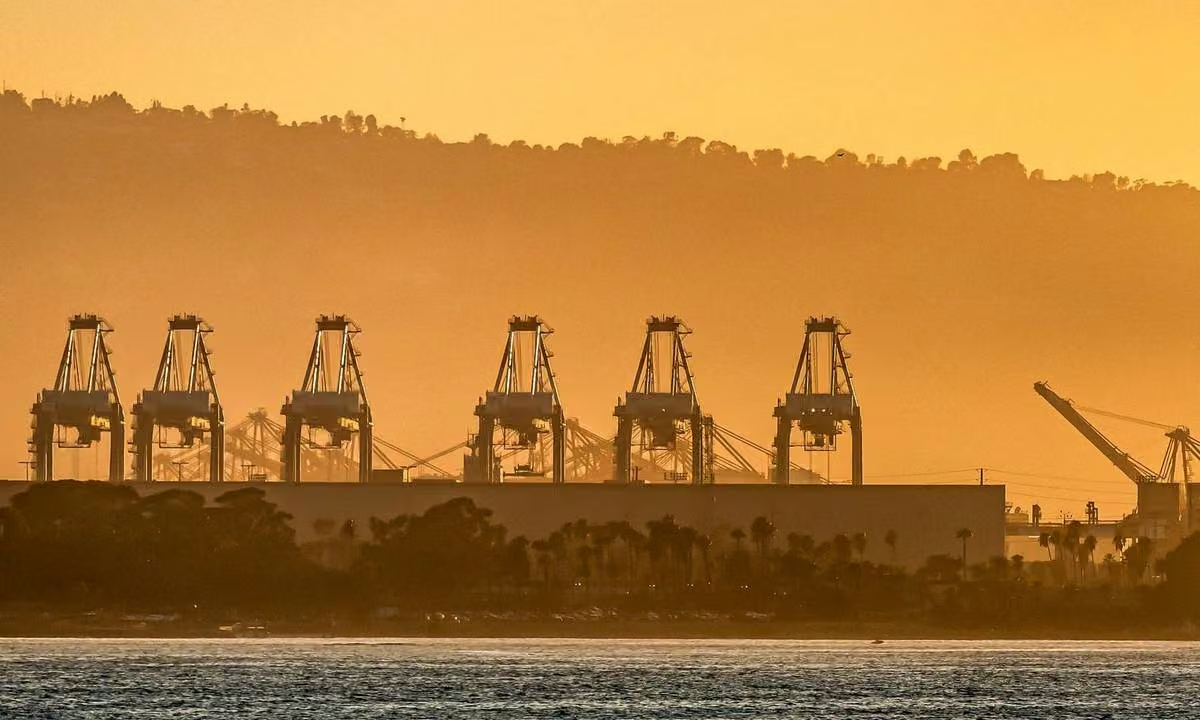
Annaba’s phosphate port represents the final missing piece in Algeria’s long-standing fertilizer strategy, a cornerstone of the country’s efforts to diversify its economy beyond hydrocarbons. Algerian authorities have elevated the project to a top priority, aiming to equip the sector with a dedicated terminal for exporting processed phosphates and nitrogen-based fertilizers. Construction is now moving at an accelerated pace, with the goal of ending reliance on non-specialized port facilities that have constrained shipment volumes from the eastern coast.
A terminal designed to extend the Bled El Hadba megaproject
The economic viability of the Port of Annaba is inextricably linked to the Bled El Hadba phosphate deposit in Tébessa Province, which holds estimated reserves exceeding two billion tonnes of raw phosphate. The Integrated Phosphate Megaproject (PPI), led by the state-owned Manal Group through its subsidiary Somiphos and a consortium of Chinese partners including Wuhuan and Tian’an, encompasses the mining of the deposit, the construction of a processing complex at Oued Kebrit, and the development of ammonia and phosphoric acid facilities at Hadjar Soud and Jijel. This industrial framework requires a nearby maritime gateway; without the Port of Annaba, the project would lose the majority of its export profitability.
Algerian authorities are targeting an annual production capacity of approximately 10 million tonnes of fertilizers and derivatives for the integrated industrial chain over the coming decade, with projected annual revenues of around $2 billion. The Annaba phosphate terminal is designed to handle a significant portion of these export flows, operating alongside the existing infrastructure in Djen Djen and Skikda. This expansion also necessitates the modernization of the railway line connecting Tébessa to the coast, a project that has been included in the list of priority investments announced by the Algerian government.
Regaining ground in the African fertilizer market against OCP
The move is strategic. Algeria, which was one of Africa’s leading phosphate producers in the mid-20th century, has seen its market share erode in favor of Morocco. The country’s Office Chérifien des Phosphates (OCP) alone controls more than two-thirds of the world’s phosphate rock reserves and accounts for approximately 30% of the international phosphate fertilizer market. Since the 2010s, Morocco has built a supply chain specifically calibrated for African soils, supported by the Jorf Lasfar platforms and a commercial network spanning from Dakar to Addis-Abeba.
Alger is poised to challenge this status quo by leveraging three strategic advantages: its geographic proximity to West African and Sahel markets, the competitive cost of natural gas—a critical input for ammonia and urea production—and the vertical integration of its supply chain. State-owned groups Asmidal and Fertial, already active in the nitrogenous fertilizer sector, export several million tonnes of urea and ammonia annually, with Europe and Brazil serving as their primary destinations. In contrast, the phosphate segment remains in its infancy; domestic rock production hovers around one million tonnes per year, a figure that pales in comparison to the more than thirty million tonnes extracted by the OCP.
A schedule constrained by past delays
The Bled El Hadba megaproject has faced multiple postponements since its relaunch in 2022, following the abandonment of an initial framework agreed in 2016 with Chinese and Indonesian partners. The accelerated pace at the Annaba site aims to secure a coordinated commissioning with the transformation units, which are currently scheduled to enter production in the second half of the decade. Any delay in the port terminal would force initial export volumes to rely on costly logistical alternatives or be redirected to the domestic market, where fertilizer demand remains limited by the structure of cereal farming operations.
Logistics and environmental considerations
Beyond the construction of the quay itself, the project raises significant questions regarding local acceptance. Annaba, a major port and industrial hub, already hosts the steelmaking operations at El Hadjar and handles a high volume of commercial traffic. The introduction of a phosphate terminal, complete with open-air storage facilities and increased rail traffic, necessitates robust guarantees concerning dust control, wastewater treatment, and coastal protection, particularly in a region where fishing and tourism remain vital economic sectors.
For Algeria, the success of this initiative will be judged less by the terminal's nominal capacity than by the consistency of shipments and the price competitiveness enabled by the integration of gas and phosphate operations. Only under these conditions can the country secure a credible position in the African agricultural inputs market, a sector valued at tens of billions of dollars and projected to expand in tandem with the continent's growing food requirements.
Chnchemicals take
This development signals a structural shift in North African fertilizer logistics, as Algeria moves to secure direct export capacity for its massive phosphate reserves. By establishing a dedicated terminal, the country aims to overcome previous volume constraints and challenge Morocco’s established dominance in the African agricultural inputs market. Investors should monitor how this new infrastructure impacts regional supply chains and price competitiveness, particularly given the integration of gas and phosphate operations that could lower production costs.
Frequently asked questions
What is the primary purpose of the new phosphate export terminal being built at Annaba Port in Algeria?
The terminal is designed to export processed phosphates and nitrogen-based fertilizers from the Bled El Hadba megaproject. It aims to end reliance on non-specialized port facilities that have previously constrained shipment volumes from the eastern coast.
How many tonnes of raw phosphate reserves are estimated at the Bled El Hadba deposit in Tébessa Province?
The Bled El Hadba phosphate deposit holds estimated reserves exceeding two billion tonnes of raw phosphate. This massive resource base underpins the economic viability of the integrated phosphate megaproject and the associated export infrastructure.
How does the Annaba Port project impact the competitive landscape for phosphate fertilizer suppliers in West Africa?
The project allows Algeria to challenge Morocco's dominant position by leveraging geographic proximity to West African and Sahel markets. This strategic advantage, combined with integrated gas and phosphate operations, enhances Algeria's price competitiveness in the region.