China commissions 195 km hydrogen pipeline, cutting transport cost to 11,000 VND/kg
Key facts
- China commissioned a 195-kilometer pure hydrogen pipeline in Inner Mongolia with an approved annual capacity of 100,000 tons
- The new infrastructure is expected to reduce the cost of delivering green hydrogen to end users to 11,000 VND per kilogram
- This facility is the first dedicated pure hydrogen pipeline in China to operate over a distance exceeding 100 kilometers
- The project was selected by China’s National Energy Administration as part of the initial cohort of hydrogen energy pilot projects
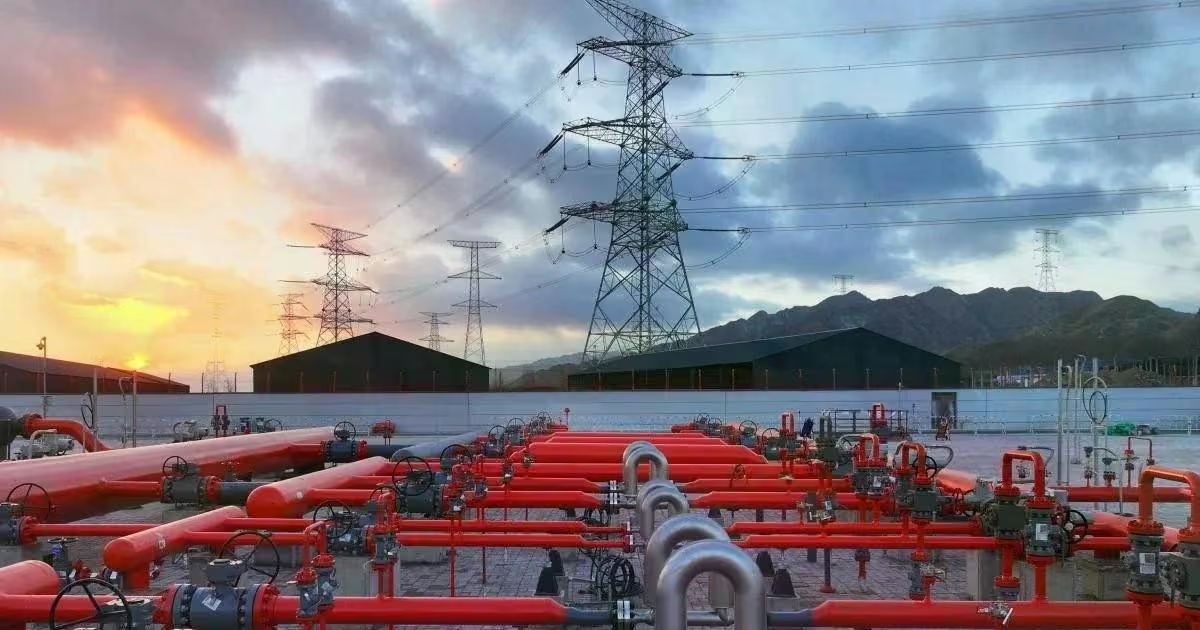
China has commissioned a 195-kilometer pipeline dedicated to the transport of pure hydrogen in Inner Mongolia, with an approved annual capacity of 100,000 tons. The project is expected to lower the distribution costs of green hydrogen and accelerate the adoption of this fuel across various industrial sectors.
The facility marks the first dedicated pure hydrogen pipeline in the country to operate over a distance exceeding 100 kilometers. Located in the Inner Mongolia region, the 195-kilometer infrastructure is anticipated to reduce the cost of delivering this clean energy source to end users, thereby fostering the development of the green hydrogen industrial chain.
According to Xinhua News Agency on Thursday, the 195-kilometer (121-mile) pipeline is situated in the industrial city of Baotou, within the Inner Mongolia Autonomous Region in northern China. The project was selected by China’s National Energy Administration as part of the initial cohort of hydrogen energy pilot projects.
Pipeline cuts hydrogen transport costs
Storing and moving hydrogen has long been a major barrier to scaling up its use. Hauling the gas over long distances by road is prohibitively expensive, making it difficult to deliver hydrogen to end-use facilities.
According to Xinhua, pipeline systems can significantly lower distribution costs, providing a strong incentive to build dedicated hydrogen transport infrastructure.
However, constructing pipelines that carry only pure hydrogen presents significant technical challenges. China's hydrogen pipeline network has remained largely in the research, exploration, and development phase for an extended period.
"The project marks a critical breakthrough in large-scale, long-distance pure hydrogen transport in China, driving the coordinated development of the entire green hydrogen industrial chain, from production and storage to transport and end use," Xinhua assessed.
Expanding hydrogen use could help China cut emissions in hard-to-abate industries such as steelmaking and aviation, sectors where alternative energy solutions remain limited.
Alfredo Montufar-Helu, the chief executive officer of Ankura Consulting in China, noted that Beijing’s push to expand hydrogen applications is not surprising given the government’s policy direction and support.
“Hydrogen, as far as I know, is not an easy energy source to manage. It is highly volatile,” he said.
Montufar-Helu stated that he had never previously heard of a pipeline in China designed to transport hydrogen over such a long distance.
“Is this a breakthrough? Perhaps it is,” he commented.
According to the expert, China’s experience in constructing long-distance pipelines could create the potential for the country to integrate hydrogen into broader green energy development plans.
Supplying green hydrogen to multiple industrial sectors
The pipeline is operated by a subsidiary of China Huadian, a state-owned power generation group, based in Baotou.
According to Xinhua, the line is designed to support an annual green hydrogen production capacity of 7,800 tons, supplying fuel to customers in the chemical, metallurgical, gas, and transportation sectors.
Inner Mongolia Autonomous Region possesses abundant wind and solar resources, creating favorable conditions for green hydrogen production. This fuel can be generated by using renewable electricity to electrolyze water. When burned or utilized in fuel cells, hydrogen produces water rather than CO₂ emissions at the point of use.
Wang Xinyu, director of Inner Mongolia Huadian Hydrogen Energy Technology Co., the entity responsible for constructing the pipeline, stated that the project has been approved for an annual transport capacity of 100,000 tons of hydrogen.
As reported by Xinhua, Wang noted that the cost of transporting green hydrogen via this pipeline could be reduced to as low as 3 yuan per kilogram, equivalent to approximately 11,000 VND per kilogram.
The cost is expected to improve the economics of green hydrogen, particularly as China seeks to expand the production and application of this fuel in energy-intensive industrial sectors.
Chnchemicals take
This infrastructure milestone significantly lowers the logistical barrier for green hydrogen adoption by reducing transport costs to 11,000 VND per kilogram. By enabling cheaper distribution over long distances, the pipeline makes green hydrogen more economically viable for industrial buyers, thereby accelerating the expansion of the clean energy supply chain in northern China.
Frequently asked questions
What is the annual capacity of the new hydrogen pipeline commissioned in Inner Mongolia?
The pipeline has an approved annual capacity of 100,000 tons. It is located in Baotou and was selected as part of China's initial hydrogen energy pilot projects.
How does the new 195-kilometer pipeline impact hydrogen transport costs for industrial users?
The pipeline is expected to reduce the cost of delivering green hydrogen to end users. This infrastructure addresses the high expense of long-distance road transport for the gas.
Why is the commissioning of this dedicated hydrogen pipeline significant for the green hydrogen industry?
It marks the first dedicated pure hydrogen pipeline in China operating over 100 kilometers. This development fosters the growth of the green hydrogen industrial chain by improving logistics efficiency.